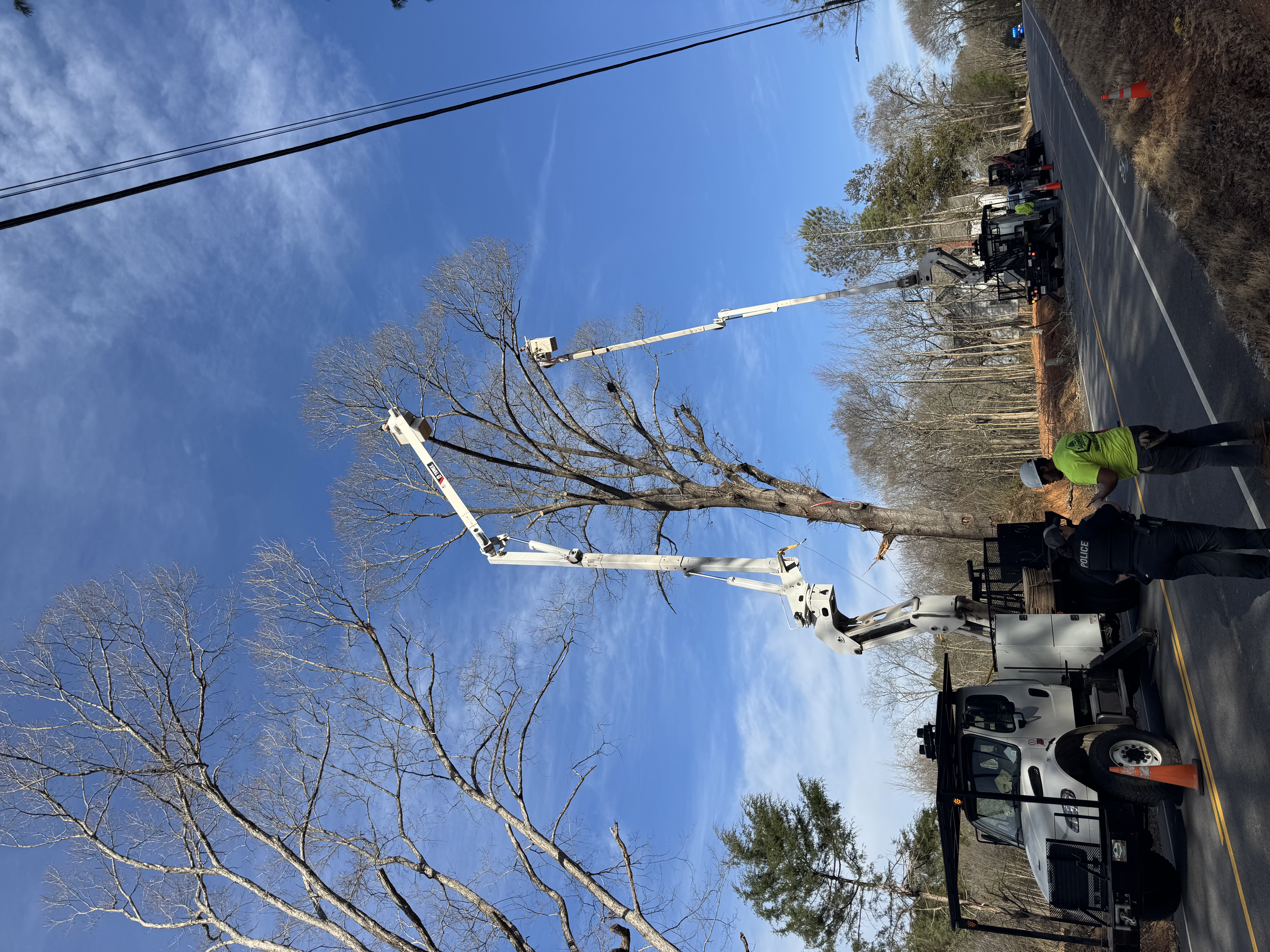
Enhancing Tree Resilience: Techniques for Weathering Harsh Climates Sep 10, 2026
Trees are naturally resilient organisms, but even the hardiest species can struggle against the intensifying impacts of climate change. From intense heat and dry spells to torrential rains and fierce winds, the array of environmental pressures is vast. While it might seem daunting, there are proactive steps you can take to bolster your trees’ ability to withstand these challenges.
One essential step is selecting the right tree species for your climate zone. Native trees or those well-adapted to local conditions are more likely to withstand extreme weather. They have evolved naturally to cope with local pests, soils, and climate variances. Consulting with tree care professionals, like those at Lakeside Tree Experts, can provide valuable insights into the most suitable species for your area.
Water management is another critical factor in enhancing resilience. Ensuring that trees receive adequate water, especially during dry periods, is vital. Implementing efficient irrigation systems or simple techniques like mulching can help retain soil moisture. Mulching not only conserves water but also regulates soil temperature and suppresses weed growth, which competes for vital resources.
Pruning plays a significant role in strengthening trees against strong winds. Properly pruned trees are more aerodynamic and structurally sound, reducing the risk of limb breakage during storms. During a professional assessment, arborists can determine which branches are weak, diseased, or in need of removal to improve the tree’s overall stability.
Another effective technique is soil health enhancement. Healthy soil is the foundation of a healthy tree. Ensuring your soil is well-aerated and rich in organic matter will promote robust root systems. Beneficial practices include regular fertilization, avoiding soil compaction, and using cover crops to enrich the soil profile with essential nutrients.
It’s important not to overlook pest and disease management. With changing climates, trees may become susceptible to new pests and diseases. Routine monitoring and employing integrated pest management strategies can preemptively address these threats. This not only reduces the likelihood of infestations but also minimizes the potential damage to your trees.
Shade trees provide a natural shield against heat stress, so strategic placement can be advantageous. By planting trees in locations that offer shade, you can mitigate the heating effects on surrounding plants and property, creating a microclimate that benefits both your trees and other landscape features.
Lastly, fostering diversity in your landscape can improve resilience. Diverse plantings can deter the spread of species-specific pests and diseases while fostering a balanced ecosystem.
In conclusion, while the challenges posed by extreme weather are significant, implementing these tree care strategies can significantly enhance the resilience of your trees. At Lakeside Tree Experts LLC, we're committed to helping you protect your green assets for generations to come. By investing in their health today, you ensure a future where your trees not only survive but thrive amidst adverse conditions. If you're uncertain where to start or need expert advice, don’t hesitate to reach out for a consultation. Your trees will thank you.
/filters:no_upscale()/filters:format(webp)/media/e501e85c-68ae-4619-b84f-6259b6b07a41.png)